

Craftsmanship:
Method based on powder metallurgy: Mix zirconia powder and relevant additives into a slurry, and then go through process steps such as molding, drying and sintering to finally obtain the finished product.
Method based on sol-gel method: Dissolve zirconia in an appropriate solution, and prepare zirconia ceramics through steps such as gelation, drying and sintering.
Application areas:
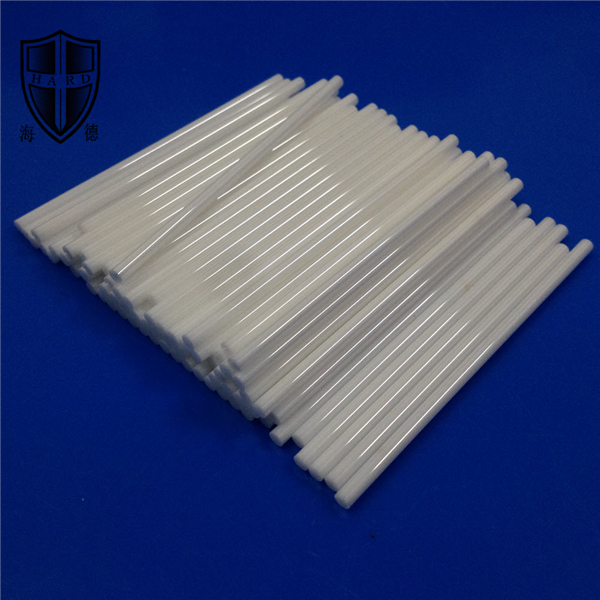
Medical devices: Zirconia ceramics have good biocompatibility and chemical stability and are widely used in medical device fields such as artificial joints, implants and dental materials. For example, zirconia ceramic pin can be used in dental surgeries, skin stimulation, and cell culture. The ball head part of artificial hip joints usually uses zirconia ceramics because its hardness and wear resistance can increase the life of the joint.
Functional materials: Due to their excellent physical and chemical properties, zirconia ceramics are often used as functional materials. For example, zirconia ceramics have important applications in energy and environmental fields such as gas sensors, solid oxide fuel cells, and solar cells.
Mechanical engineering: It can be applied to mechanical parts that require wear resistance, such as zirconia ceramic shaft, seals and cutting tools, etc. It can also be used in high-temperature and high-strength engineering structures, such as pneumatic and aerospace engine components.
Thermal barrier coating: Thermal barrier coating technology can be applied to protect the surface of high-temperature equipment and provide thermal insulation properties.
The production technology and application fields of zirconia ceramics are very wide. With the continuous development of science and technology, the related applications of zirconia ceramics will continue to expand and innovate.