

In today's rapidly evolving world of advanced materials, ceramic materials have emerged as dark horses, standing out in numerous industries thanks to their unique advantages. Among them, three materials—alumina ceramics, zirconia ceramic parts, and silicon nitride ceramics—have become "star products" in the industry, each with its own set of remarkable features. Let’s take a closer look at them.
Alumina Ceramics: The Versatile "Veteran"
Alumina ceramics, mainly composed of aluminum oxide (Al₂O₃), are among the most experienced members of the ceramic family. They come in various types, categorized by their alumina content. Ultra - high - purity variants, with an alumina content exceeding 99.9%, are often used in applications that demand extreme chemical stability and electrical insulation. More common types, such as 99 - porcelain and 95 - porcelain, have a much wider range of applications.
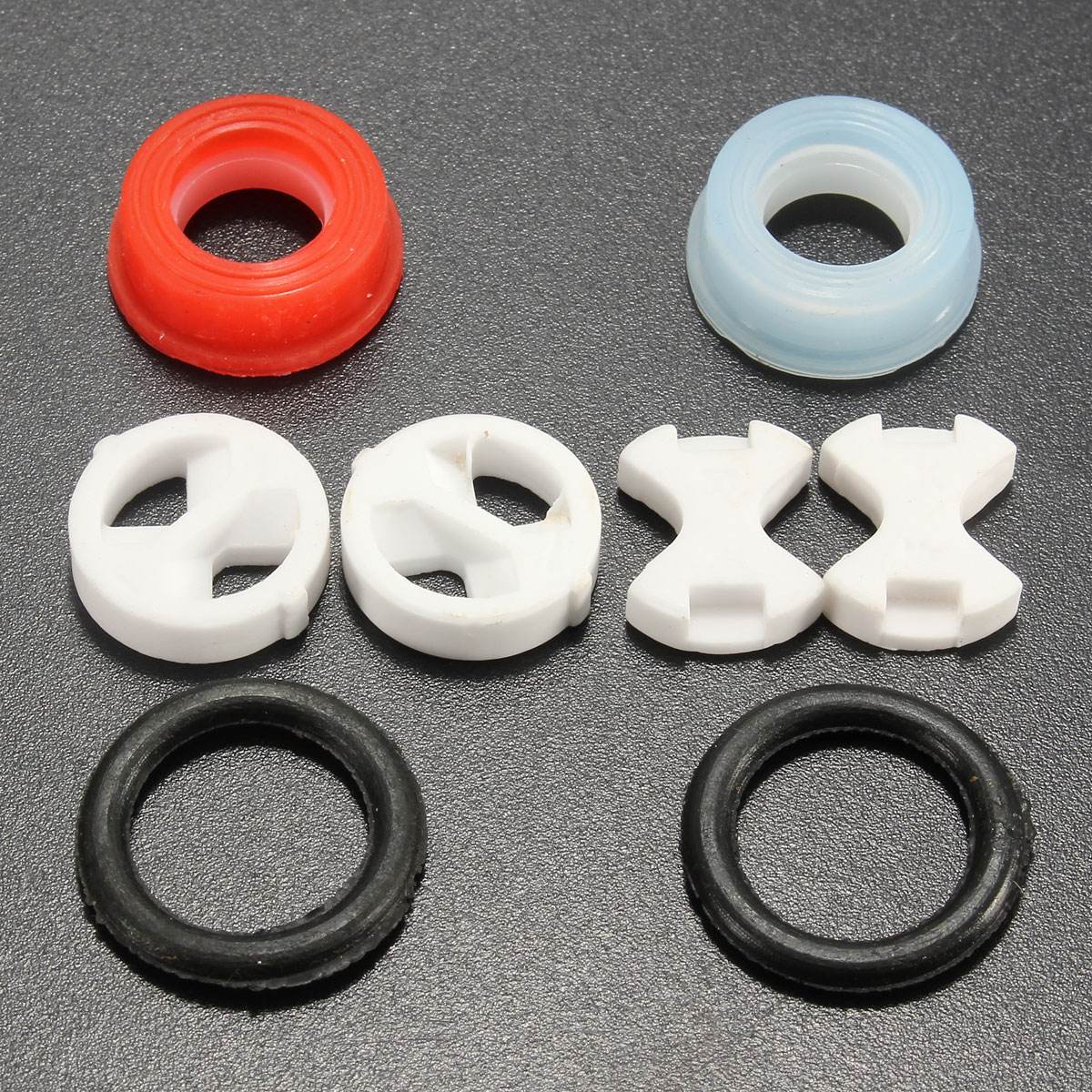
In the early days, their excellent electrical insulation made them highly sought - after in the electrical appliance industry. Many insulators on high - voltage power lines are made of alumina ceramics, effectively blocking electric current and ensuring power safety. In the electronics field, they transform into insulating substrates for printed circuit boards, safeguarding delicate circuits like a protective suit. In mechanical manufacturing, bearings made from 95% alumina ceramics outlast traditional metal bearings by far. A mechanical manufacturing company once conducted a comparison and found that the lifespan of these ceramic bearings was extended by a full 30%, significantly reducing maintenance costs. However, the hardness of these ceramics poses challenges during processing. Special diamond - tipped tools are required, and machine parameters must be carefully controlled, as even a slight mistake could cause the material to crack.
Zirconia Ceramic Parts: The "Exquisite Players" in High - End Fields
Zirconia ceramic parts have been thriving in high - end markets in recent years, especially in the medical and aerospace industries. In dental clinics, many dental crowns and bridges are made of zirconia. These ceramic dentures not only look just like real teeth but also have excellent compatibility with the human body. A dental laboratory once reported that the patient satisfaction rate for zirconia dentures was as high as 98%. They are both aesthetically pleasing and unlikely to be rejected by the body.
The aerospace industry also relies heavily on them. Turbine blades in aircraft engines operate in extremely harsh conditions of high temperature and pressure, which ordinary materials can't withstand. Zirconia ceramic blades, however, remain stable even at 1,200°C, improving engine efficiency and reducing fuel consumption. But producing these high - precision parts is no easy task. Multi - axis machining technology is required, with a precision control of up to ±0.001mm, which is only a fraction of the diameter of a human hair. Every detail must be perfect.
Silicon Nitride Ceramics: The "Tough Guys" in Harsh Environments
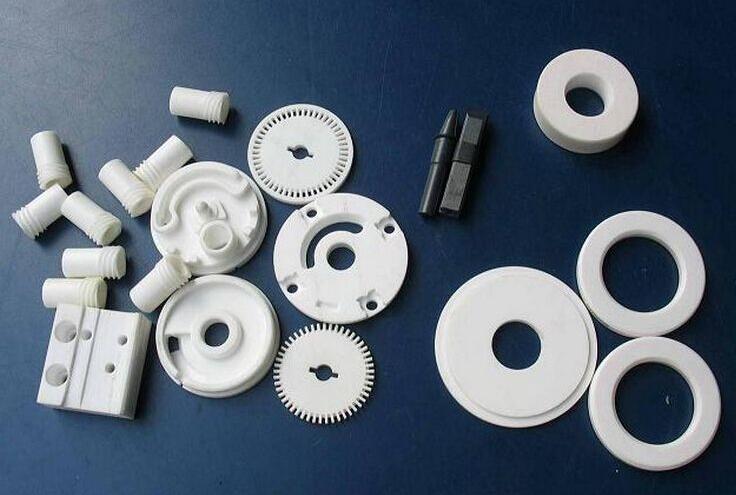
Silicon nitride ceramics are true "tough guys," always taking on challenging tasks in harsh working conditions. In the automotive industry, car manufacturers like Toyota have started using them in engine components. Their extremely low friction coefficient reduces energy loss within the engine, cutting vehicle fuel consumption by 5 - 8%.
In the manufacturing industry, they also shine brightly. A well - known tool company launched silicon nitride - based cutting tools last year and found that their lifespan was 40% longer than that of traditional carbide tools. When machining hard metals, these tools can withstand extremely high cutting speeds and temperatures, greatly improving processing efficiency. However, manufacturing silicon nitride ceramics requires a special process called hot isostatic pressing, which "tempers" ceramic powder under high temperature and pressure to achieve the desired strength and density.
With continuous scientific research and technological advancements, alumina ceramics, zirconia ceramic parts, and silicon nitride ceramics will surely find more new applications in the future. Maybe one day, they will appear in new fields like new energy devices and intelligent robots, continuing to demonstrate their unique value and bringing more surprises to our lives.