

In the harsh environments of chemical processing plants, where corrosive solutions, high pressure, and continuous operation take a heavy toll on equipment, the Zirconia Ceramic Plunger has emerged as a transformative component. Recent innovations in its material composition and manufacturing processes have further elevated its durability, addressing long-standing pain points for operators who once struggled with frequent replacements of traditional metal plungers. This advancement not only boosts operational efficiency but also aligns with the industry’s growing demand for reliable, low-maintenance equipment.
Chemical processing involves handling a wide range of aggressive media—from acidic solvents to alkaline slurries—that quickly degrade metal components. Traditional stainless steel plungers, for instance, often suffer from pitting corrosion and wear, leading to leaks, pressure loss, and unplanned downtime. The Zirconia Ceramic Plunger, however, leverages the inherent properties of stabilized zirconia: exceptional corrosion resistance, high hardness (second only to diamond), and thermal stability. Innovations such as nanoscale grain refinement have enhanced these properties even further, creating a plunger that can withstand prolonged exposure to harsh chemicals without compromising performance.
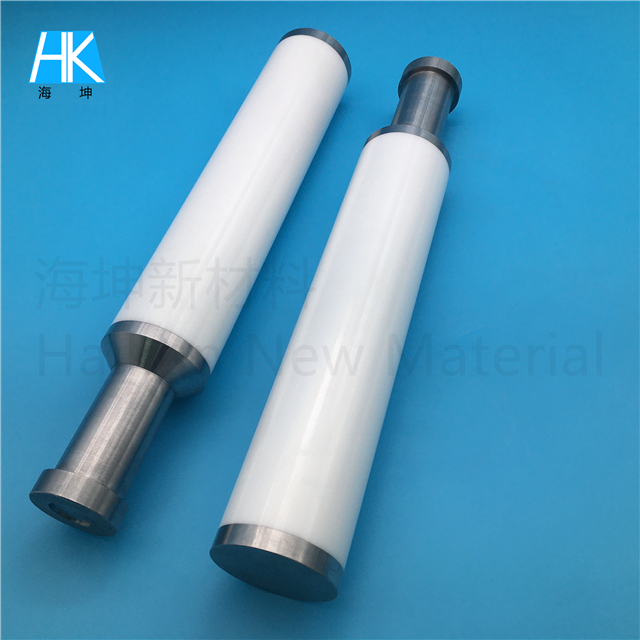
A key breakthrough in this field is the integration of the Ceramic Zirconia Jet Plunger into high-pressure chemical transfer systems. Unlike conventional plungers, this specialized variant uses a precision-engineered jet structure to minimize friction between the plunger and cylinder liner. The zirconia ceramic’s smooth surface reduces wear, while its resistance to chemical erosion ensures that the jet channels remain unobstructed—critical for maintaining consistent flow rates in processes like polymer synthesis and pharmaceutical intermediate production. Plant managers report that switching to this innovation has cut plunger replacement cycles by up to 70%, significantly reducing maintenance costs.
The synergy between Zirconia Ceramic Plunger technology and complementary components like the Hydraulic Cylinder Piston Rod has also optimized system performance. In hydraulic-driven chemical pumps, the piston rod’s role in transmitting force directly impacts the plunger’s efficiency. By pairing a zirconia ceramic plunger with a corrosion-resistant piston rod (often coated with ceramic or specialized alloys), manufacturers have created a “wear-resistant ecosystem” that minimizes points of failure. This integration is particularly valuable in batch processing, where sudden equipment malfunctions can lead to costly product contamination or batch rejection.
Another notable innovation is the development of porous zirconia ceramic plungers for applications requiring controlled fluid seepage, such as catalyst injection systems. These plungers retain the material’s core durability while incorporating microchannels that regulate flow without compromising structural integrity. Unlike metal alternatives, they do not react with sensitive chemicals, making them ideal for use in fine chemical and biotech processes.
As chemical processing industries shift toward more sustainable and efficient operations, the role of durable components like the Zirconia Ceramic Plunger becomes increasingly vital. Innovations in design and material science have not only solved traditional durability issues but also opened new possibilities for high-performance applications. Whether paired with the Ceramic Zirconia Jet Plunger for precision transfer or integrated with robust Hydraulic Cylinder Piston Rod systems for heavy-duty operation, zirconia ceramic plungers are setting a new standard for reliability in the chemical processing sector. For plant operators looking to reduce downtime and improve productivity, these innovations represent a clear investment in long-term operational excellence.