

In the high-precision industrial sector, where even micron-level deviations can lead to equipment failure or product defects, the choice of components directly determines operational efficiency, reliability, and market competitiveness. For decades, manufacturers have sought materials and parts that can withstand harsh conditions, maintain extreme precision, and deliver long-term stability—requirements that traditional metal parts often fail to meet. Today, Alumina Ceramic Standard Parts have emerged as the dominant choice, outperforming conventional materials and solidifying their position as the backbone of high-precision industrial applications. This article explores the key reasons behind their dominance and why they are irreplaceable in modern high-precision manufacturing.
The first and most critical factor driving the dominance of alumina ceramic standard parts is their exceptional precision and dimensional stability. High-precision industries—such as aerospace, electronics, and medical equipment—demand parts that adhere to strict tolerances, with minimal expansion or deformation under varying temperatures and pressures. Alumina ceramics boast a low thermal expansion coefficient and high hardness, ensuring that they maintain their shape and dimensions even in extreme operating environments. Unlike metal parts, which can warp or wear over time, alumina ceramic standard parts retain their precision for years, reducing the need for frequent replacements and minimizing downtime—a critical advantage in high-precision production lines.
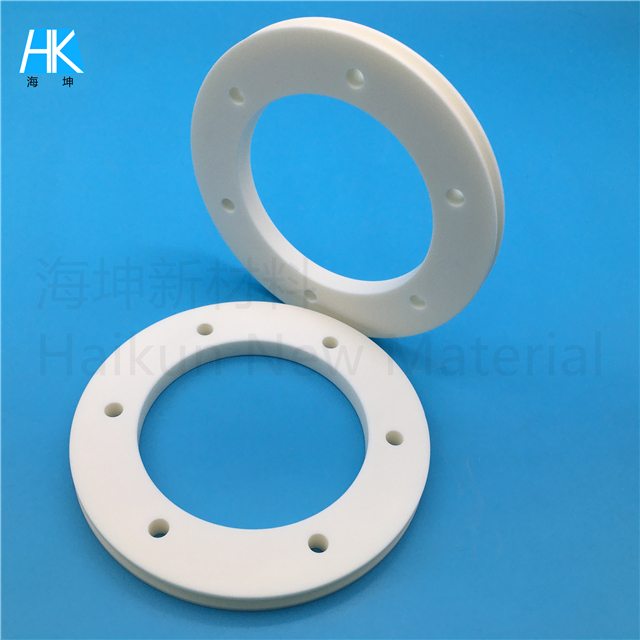
Superior wear and corrosion resistance further cements their dominance in high-precision markets. Many high-precision industrial processes involve contact with abrasive materials, corrosive chemicals, or high temperatures, which quickly degrade metal components. Alumina ceramics are inherently resistant to wear, scratches, and chemical erosion, making them ideal for applications where durability is non-negotiable. For example, Alumina Ceramic Grinder Parts used in precision machining maintain their sharpness and shape even after prolonged use, ensuring consistent grinding accuracy and reducing the risk of defective products. This durability translates to lower maintenance costs and longer service life, making alumina ceramic standard parts a cost-effective choice for high-precision manufacturers.
Electrical insulation properties are another key advantage that sets alumina ceramic standard parts apart. In high-precision electronic and electrical equipment—such as semiconductors, sensors, and medical devices—electrical insulation is critical to prevent short circuits and ensure reliable performance. Alumina ceramics are excellent electrical insulators, even at high temperatures, making them the preferred choice for components that operate in high-voltage or high-heat environments. This property not only enhances the safety of high-precision equipment but also improves its overall performance and lifespan, further solidifying the dominance of alumina ceramic standard parts.
Versatility and compatibility with modern manufacturing processes also contribute to their market dominance. Ceramic Part manufacturers can produce alumina ceramic standard parts in a wide range of sizes, shapes, and configurations, making them compatible with nearly all high-precision equipment and production lines. Whether used as bearings, insulators, or structural components, alumina ceramic standard parts integrate seamlessly with existing systems, eliminating the need for costly equipment modifications. Additionally, their compatibility with advanced manufacturing technologies—such as laser cutting and precision machining—allows for the production of complex, high-precision parts that meet the evolving needs of modern industries.
Cost-effectiveness, when viewed from a long-term perspective, is another reason for their dominance. While the initial cost of alumina ceramic standard parts may be higher than that of metal parts, their extended service life, reduced maintenance requirements, and lower replacement costs make them more economical over time. High-precision manufacturers recognize that investing in alumina ceramic standard parts reduces operational costs and improves product quality, giving them a competitive edge in the market. This long-term value proposition has made alumina ceramic standard parts the go-to choice for businesses looking to optimize their high-precision manufacturing processes.