

In industrial manufacturing, cost efficiency is a top priority for businesses of all sizes. Every decision, from material selection to component replacement, impacts the bottom line. Industrial parts are the backbone of production, and choosing the right material can mean the difference between long-term savings and frequent, costly replacements. While traditional materials like steel, plastic, and metal alloys have long been used for industrial parts, they often fall short in terms of durability, maintenance needs, and overall value. This is where alumina ceramics have emerged as a cost-effective alternative, delivering exceptional performance while reducing long-term expenses.
One of the primary cost-saving benefits of alumina ceramics is their exceptional durability, which minimizes the need for frequent part replacements. Unlike metal parts that wear down, corrode, or deform over time—especially in harsh industrial environments—alumina ceramics offer superior resistance to wear, chemicals, and high temperatures. Alumina Ceramics are known for their high hardness, low porosity, and excellent mechanical strength, allowing them to withstand the rigors of heavy-duty industrial operations. This durability translates to longer service life, reducing the frequency of part replacements and the associated labor and material costs.
Another key cost-effective advantage is reduced maintenance requirements. Industrial parts made from traditional materials often require regular lubrication, cleaning, and inspection to prevent failure. For example, steel parts may need frequent oiling to reduce friction and rust, while plastic parts can degrade under high temperatures and require frequent checks. Alumina ceramics, by contrast, are low-maintenance. Their smooth surface reduces friction, eliminating the need for constant lubrication, and their resistance to corrosion and wear means they require minimal inspection and upkeep. This not only saves time but also reduces the labor costs associated with maintenance.
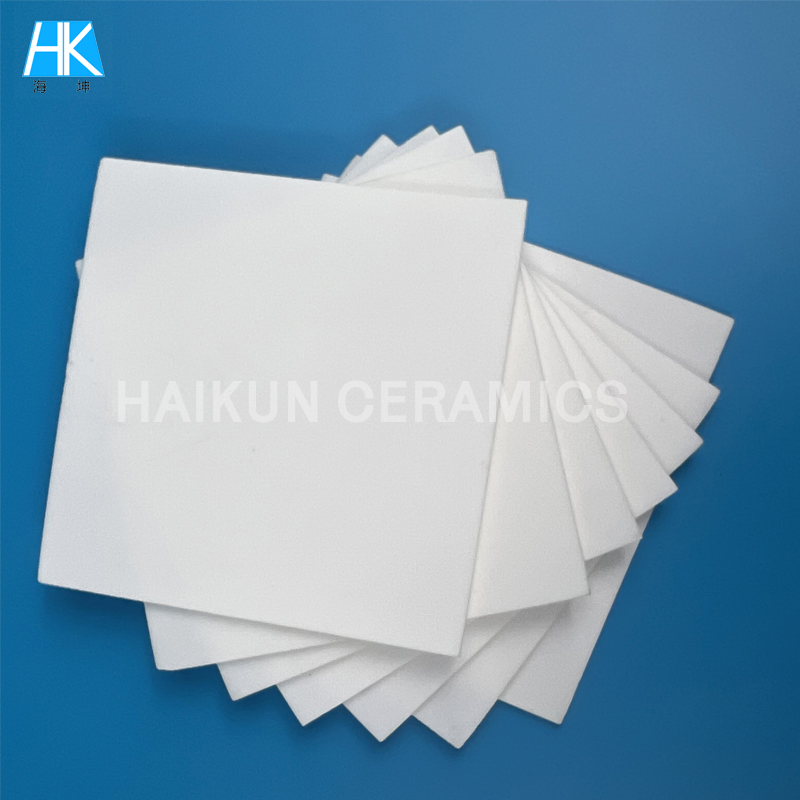
Energy efficiency is another often-overlooked cost-saving benefit of using alumina ceramics for industrial parts. Many industrial processes rely on high-speed machinery and high-temperature operations, where energy consumption is a significant expense. Alumina ceramics have excellent thermal insulation properties, which help reduce heat loss in high-temperature applications. Additionally, their lightweight nature—compared to metal parts—reduces the energy required to power machinery, as less energy is needed to move lighter components. Over time, these energy savings add up, contributing to lower operational costs for businesses.
For businesses looking to optimize their industrial processes without compromising on quality, Alumina Ceramics Parts offer a cost-effective solution that aligns with long-term operational goals. These parts are available in a wide range of sizes and configurations, making them compatible with existing machinery and eliminating the need for costly equipment modifications. Whether used in pumps, valves, bearings, or conveyor systems, alumina ceramics parts deliver consistent performance, reducing downtime and ensuring smooth production operations.
The versatility of alumina ceramics also contributes to their cost-effectiveness. Unlike some specialized materials that are limited to specific applications, alumina ceramics can be used across a wide range of industries, including automotive, aerospace, chemical processing, and electronics. This versatility means businesses can standardize on a single material for multiple part types, reducing inventory costs and simplifying supply chain management. Additionally, alumina ceramics are easy to manufacture in large quantities, which helps lower production costs and makes them an affordable option for businesses of all sizes.
In harsh industrial environments—where parts are exposed to abrasion, chemicals, and extreme temperatures—Wear Resistant Alumina Ceramic parts shine as a cost-effective choice. Traditional materials often fail quickly in these conditions, leading to frequent replacements and unplanned downtime, which can be costly. Wear resistant alumina ceramic parts, however, maintain their structural integrity even under the most demanding conditions, reducing the risk of unexpected failures and the associated costs of downtime, repairs, and replacements.
While the initial cost of alumina ceramics may be slightly higher than some traditional materials, the long-term cost savings far outweigh this upfront investment. The extended service life, reduced maintenance, energy efficiency, and versatility of alumina ceramics make them a cost-effective choice for industrial parts. Businesses that switch to alumina ceramics often see significant reductions in operational costs over time, while also improving the reliability and efficiency of their manufacturing processes.