

Among specialty ceramic materials, zirconia structural ceramics (ZrO₂ ceramics) are widely used in machinery, medical, electronics, and new energy fields due to their high strength, high toughness, and excellent wear resistance. However, many customers encounter a problem when selecting a type: what are the classifications of zirconia ceramics? What are the differences between the different types? In fact, zirconia ceramics can be divided into several categories based on the type of stabilizer, crystal structure, and performance characteristics. Different types are suitable for completely different application scenarios.
1. Classified by stabilizer type (most common)
Pure zirconium oxide is structurally unstable at room temperature and requires the addition of stabilizers (such as yttrium oxide and magnesium oxide) to achieve stable properties. Therefore, the most common classification method is based on the type of stabilizer used.
1. Yttrium-stabilized zirconium oxide (Y-TZP) – the most widely used
Features:
High strength (bending strength ≥800 MPa, compressive strength ≥2000 MPa)
High toughness (9 MPa·m¹/²)
Good surface density
Excellent polishing performance
? Optimal overall performance, currently the mainstream zirconia material
Typical applications:
Ceramic cutting tools
Sleeves, bearings
Plungers, valve cores
Precision structural components
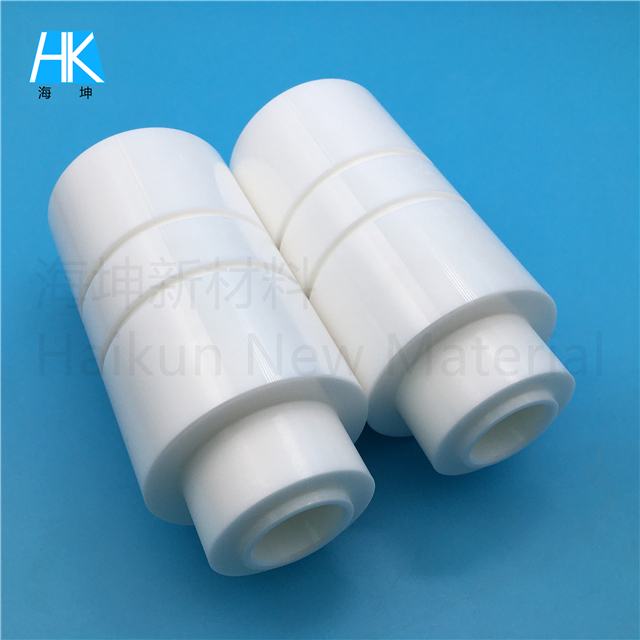
Features:
High temperature stability
Excellent thermal shock resistance
High toughness
? More suitable for high-temperature operating conditions
Typical applications:
High-temperature mechanical parts
Thermal equipment
Metallurgical industry components
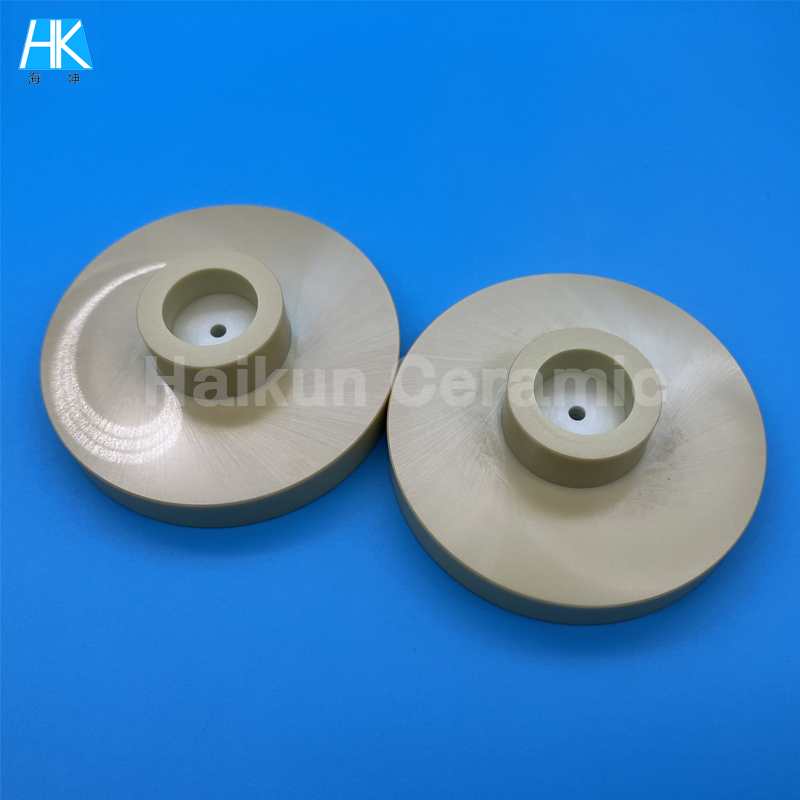
3. Calcium-stabilized zirconium oxide (Ca-PSZ)
Features:
Low cost
Stable performance
But its overall performance is inferior to Y-TZP, therefore it is used relatively less.
2. Classification by crystal structure
Zirconia has different crystal structures at different temperatures, which is the fundamental reason for its performance differences.
1. Monoclinic zirconium oxide
Stable structure at room temperature
low strength
limited engineering applications
2. Tetragonal zirconium oxide
High strength
Capable of phase transformation toughening
It is the core structure of high-performance structural ceramics
? Y-TZP mainly has this structure
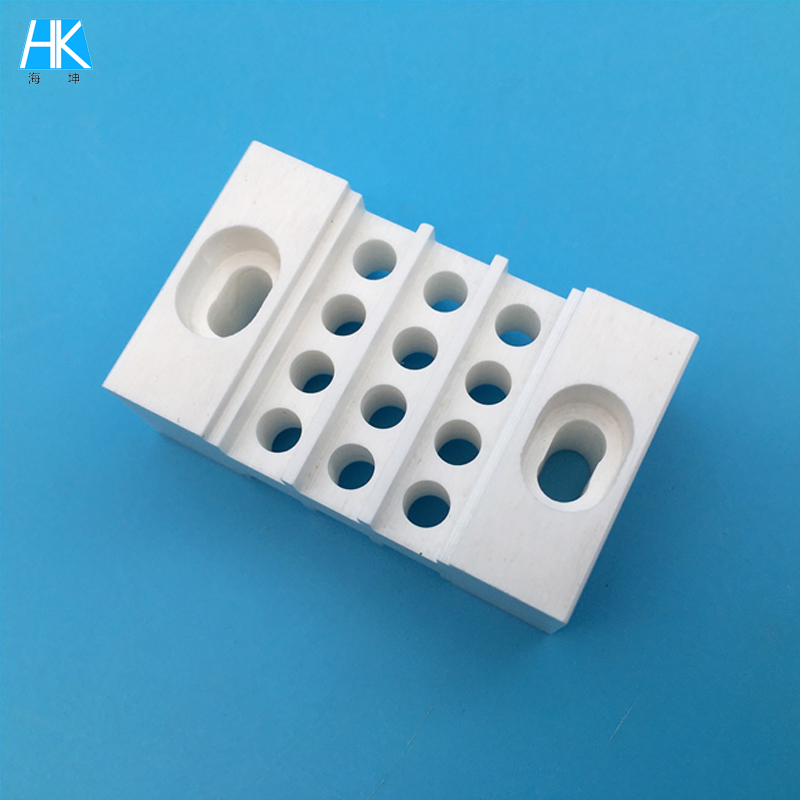
Good thermal stability
Excellent electrical conductivity (oxygen ion conductivity)
Commonly used in functional ceramics (such as oxygen sensors)
3. Classification by application (from an engineering application perspective)
From a practical application perspective, zirconia structural ceramics can also be classified into the following categories:
1. Wear-resistant structural ceramics
Features:
High hardness
Wear resistance
Long service life
Applications:
Sleeves, guides, nozzles, plungers
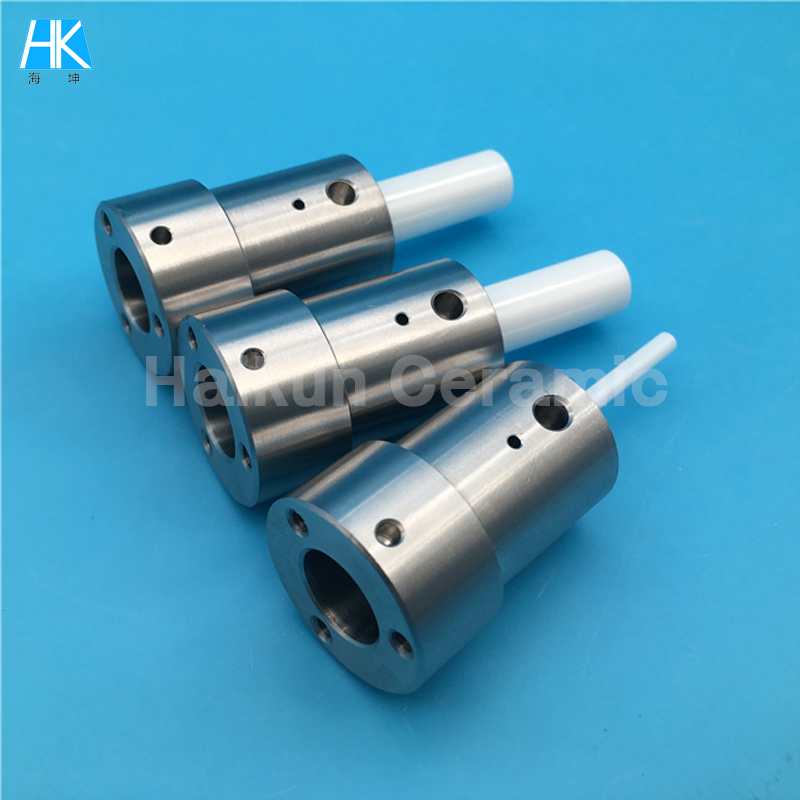
Features:
High dimensional accuracy
High surface finish
Applications:
Precision instrument components
Automation equipment parts
3. Medical-grade zirconia ceramics
Features:
Good biocompatibility
Non-toxic and pollution-free
Applications:
Dental materials
Artificial joints
4. High-temperature structural ceramics
Features:
Resistant to thermal shock
High-temperature stability
Applications:
Thermal equipment
High-temperature components
4. How to choose between different zirconia ceramics?
In actual selection, the following principles can be used for quick judgment:
General structural components → Y-TZP (preferred)
High-temperature environments → Mg-PSZ
Cost-sensitive → Ca-PSZ
Functional ceramics (conductive/sensing) → Cubic zirconia
? If unsure, Y-TZP is usually sufficient for most industrial needs.
5. Summary: The core logic of zirconia ceramic classification
Zirconia structural ceramics can be understood from three dimensions:
by stabilizer → by crystal structure → by application field
In practical engineering:
? Y-TZP is the most mainstream, mature, and recommended choice.
Haikun Precision Ceramics provides:
Material selection (Y-TZP, Mg-PSZ, etc.)
High-precision grinding and polishing
Customization of non-standard structural parts
Stable mass production
Supported industries: machinery and equipment, medical devices, automation, new energy, etc.