

Introduction
With the rapid development of industries such as semiconductor equipment, new energy vehicles, precision machinery, medical devices, and automation, the limitations of traditional metal materials in terms of wear resistance, insulation, corrosion resistance, and high-temperature stability are gradually becoming apparent. Therefore, more and more companies are adopting high-precision structural ceramics to replace metals or engineering plastics in the manufacture of high-performance core components. So, what are the classifications of high-precision structural ceramics? And what application scenarios are different ceramic materials suitable for? This article will provide a systematic analysis.
1. What are high-precision structural ceramics?
High-precision structural ceramics refer to engineering ceramic materials made from high-purity raw materials, advanced forming and sintering processes, and precision machining technologies. They are mainly used for structural functions such as load-bearing, wear resistance, insulation, sealing, guiding, and transmission.
Compared to ordinary ceramics, it possesses the following advantages:
High hardness
High strength
High precision
Wear resistance
High temperature resistance
Corrosion resistance
Electrical insulation or special functionalities
Widely used in high-end equipment manufacturing.
2. Common Classifications of High-Precision Structural Ceramics (by Material System)
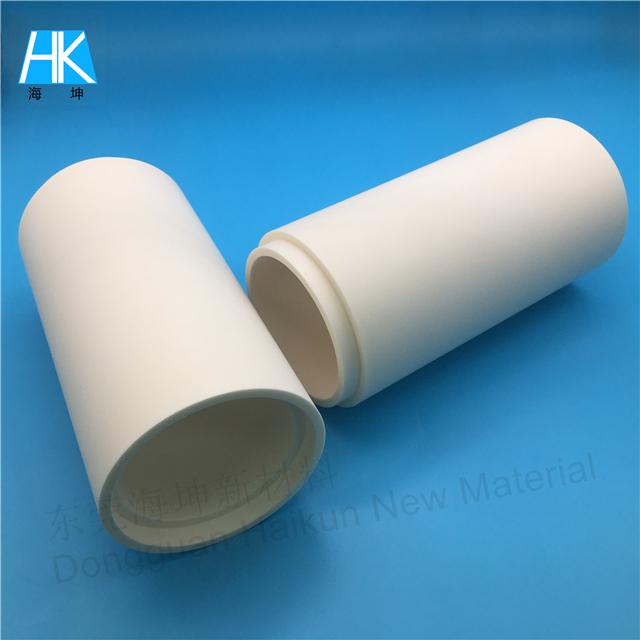
1. Alumina structural ceramics (Al₂O₃)
The most widely used and cost-effective engineering ceramics.
Main features:
High hardness
Excellent electrical insulation properties
Wear resistance
Relatively low cost
Mature and stable technology
Common applications:
Ceramic bushings
Insulating parts
Guide rails and sliders
Ceramic substrates
Sealing rings
? Suitable for most general industrial structural components
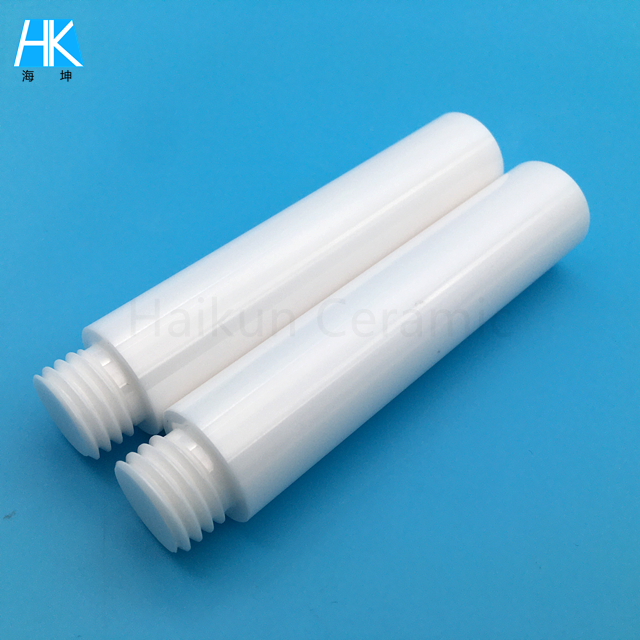
2. Zirconia structural ceramics (ZrO₂)
The most resilient structural ceramic.
Key Features:
High strength
High toughness
High impact resistance
Excellent surface polishing properties
Wear and corrosion resistant
Common Applications:
Plungers
Valve cores
Bearing balls
Medical components
Precision moving parts
? Suitable for high-impact, high-precision, and long-life applications
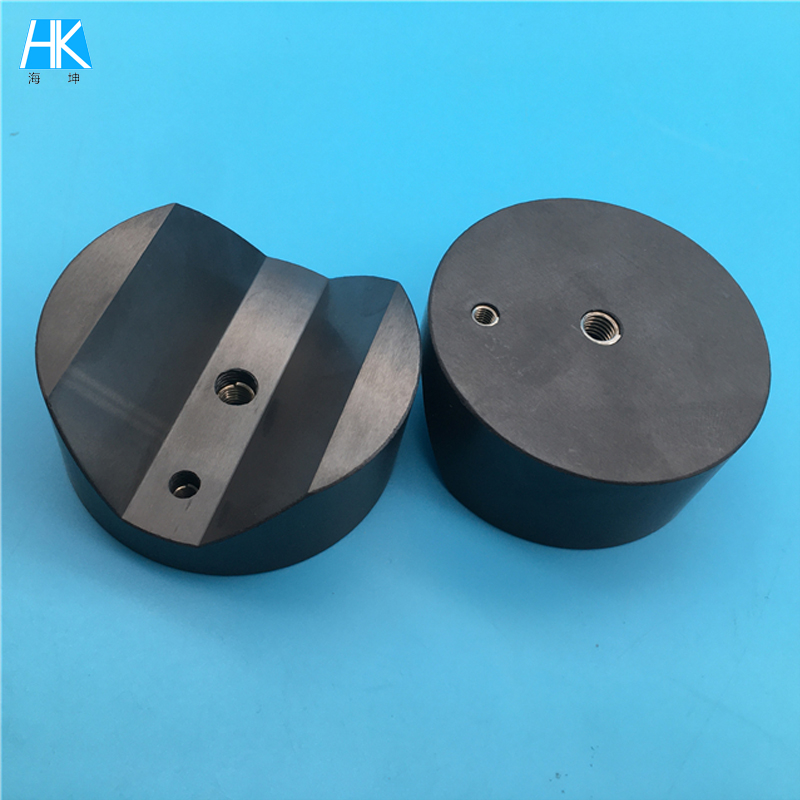
3. Silicon nitride structural ceramics (Si₃N₄)
The structural ceramic with optimal overall performance.
Key Features:
High strength
Excellent thermal shock resistance
Excellent high-temperature performance
Low coefficient of friction
Lightweight
Common Applications:
High-speed bearing balls
Automotive parts
Semiconductor equipment parts
Turbocharger components
? Suitable for high-speed, high-temperature, and high-load conditions
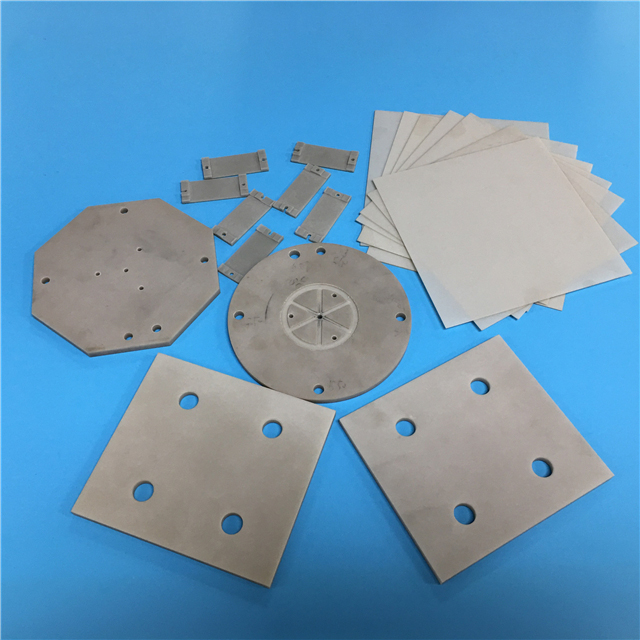
4. Aluminum nitride ceramics (AlN)
It possesses both high thermal conductivity and electrical insulation properties.
Key Features:
High thermal conductivity
Excellent electrical insulation performance
Coefficient of thermal expansion close to that of silicon
Common Applications:
Power module substrate
LED heat dissipation substrate
Semiconductor packaging
? Suitable for electronic heat dissipation applications
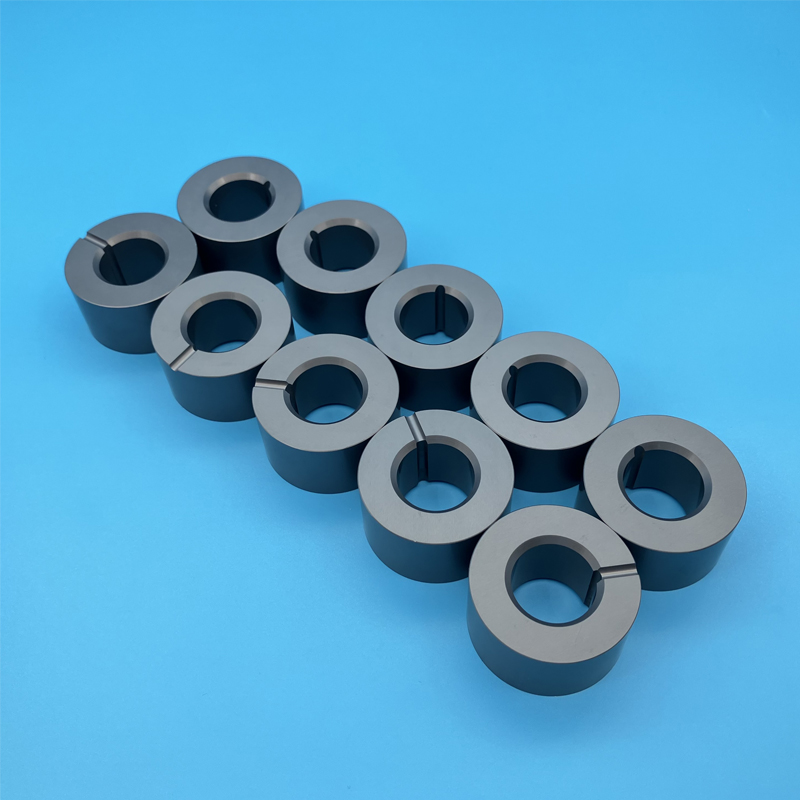
5. Silicon carbide structural ceramics (SiC)
A representative of ultra-high hardness wear-resistant materials.
Main features:
Ultra-high hardness
Extremely strong corrosion resistance
High thermal conductivity
High temperature resistance
Common applications:
Sealing rings
Nozzles
Pump components
Chemical equipment parts
? Suitable for extreme wear and corrosive environments
3. Classified by function and purpose
Besides being classified by material, high-precision structural ceramics can also be categorized by application:
1. Wear-resistant ceramic parts
Sleeves, nozzles, plungers, guide rails
2. Insulating ceramic parts
Insulating sleeves, electronic structural components, substrates
3. Sealing ceramic parts
Sealing rings, mechanical seal end faces
4. High-temperature structural parts
Furnace components, heat treatment equipment parts
5. Precision moving parts
Bearing balls, guides, sliders, positioning components
4. How to select suitable structural ceramic materials?
Different materials are used for different applications:
| Usage requirements | Recommended materials |
|---|---|
| General-purpose wear-resistant + cost control | Alumina |
| High strength + high toughness | Zirconia |
| High speed + high temperature | silicon nitride |
| Heat dissipation + insulation | Aluminum nitride |
| Strong corrosion resistance + extremely wear-resistant | silicon carbide |